Does a Silk Pillowcase Really Help Frizzy Hair? What You Need to Know

Many of us have spent time styling our hair before bed.
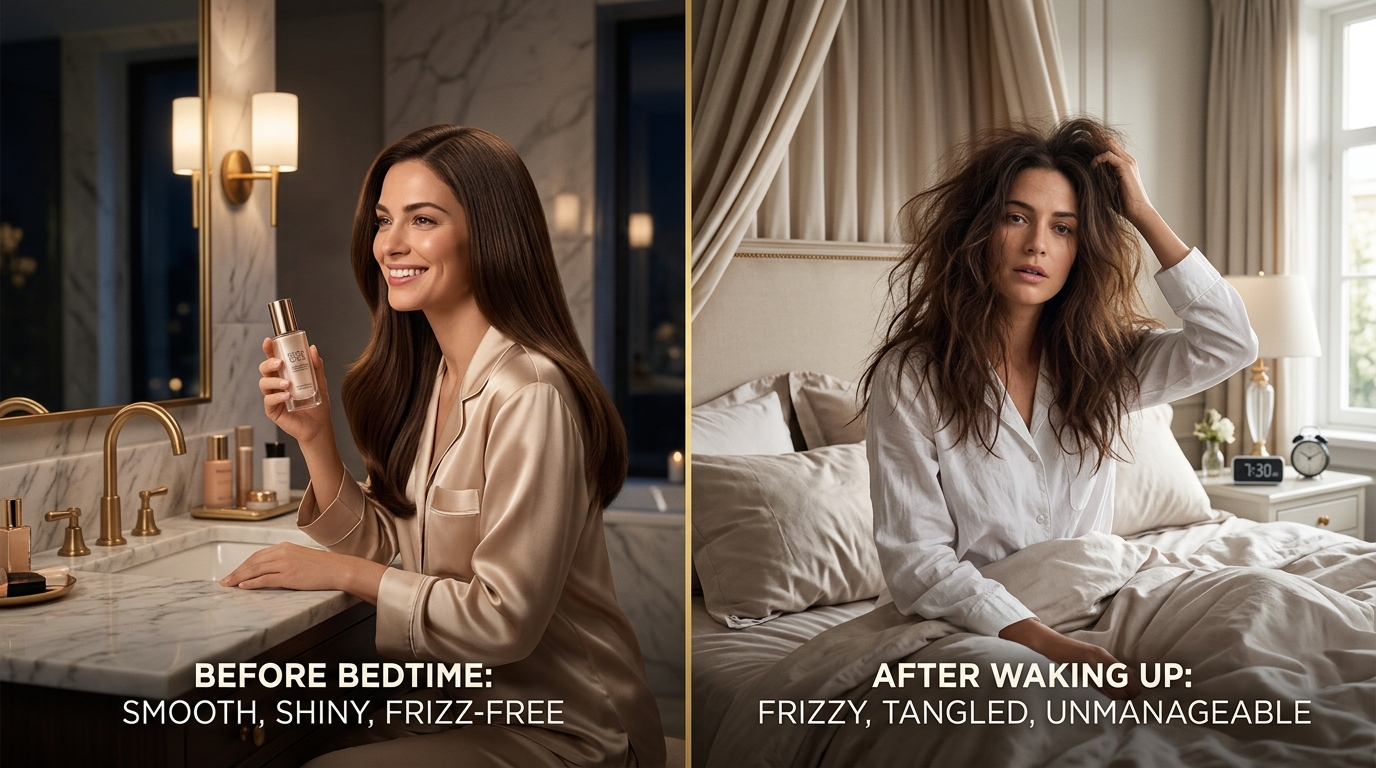
Perhaps you applied a leave-in conditioner. Maybe you used a nourishing hair serum or carefully brushed out the tangles before turning in for the night. Everything looked good. Your hair felt smooth, manageable, and under control. Feeling satisfied, you climbed into bed expecting to wake up looking much the same.
Then morning arrived. You walk into the bathroom, glance at the mirror, and immediately notice something isn’t right. Strands seem to be sticking out in every direction. The smoothness from the night before has disappeared. The frizz is back, and you’re left wondering what on earth happened while you were sleeping.
Sound familiar? If you’re like many people struggling with frizzy hair, you’ve probably spent time searching for solutions. From expensive salon treatments and specialized shampoos to hair masks and anti-frizz serums, the list of recommendations can seem endless.
Some help. Some don’t. And somewhere along the way, you’ve probably come across a surprisingly simple suggestion: Switch to a silk pillowcase.
At first glance, it sounds almost too easy. Can changing your pillowcase really make a noticeable difference? Or is it simply another beauty trend that sounds good on social media but delivers little in real life? The truth lies somewhere in between.
A silk pillowcase isn’t a miracle cure for frizz, nor will it completely transform damaged hair overnight. However, there are legitimate reasons why many people choose silk as part of their hair care routine. As a matter of fact, the growing popularity of silk pillowcases isn’t just about luxury or aesthetics. Much of the interest comes from a simple idea: reducing friction while you sleep.
But does that actually work? Let’s take a closer look at what causes overnight frizz, why your pillowcase may play a bigger role than you think, and whether switching to silk is truly worth the investment.
What Causes Frizzy Hair In The First Place?
Before we talk about silk pillowcases, it helps to understand what actually causes frizz. Many people assume frizz simply means messy hair. However, the reality is a little more complicated than that.
Frizz often happens when the outer layer of the hair, known as the cuticle, doesn’t lie flat against the hair shaft. Instead, it becomes raised, making hair appear rougher, puffier, and more difficult to control.
As a result, your hair may look:
- Dry
- Puffy
- Unruly
- Rough
- Difficult to style
The frustrating part is that frizz can be caused by many different factors.
Humidity is one of the most common culprits. When moisture in the air enters the hair shaft, strands can swell and lose their smooth appearance. Dryness can also contribute to frizz, as hair lacking sufficient moisture often becomes more vulnerable to flyaways and rough texture.
Other common causes include:
- Heat styling
- Bleaching or coloring
- Chemical treatments
- Over-washing
- Aggressive brushing
- Environmental damage
- Friction
That last one is particularly important because it’s often overlooked.
While most people focus on shampoos, conditioners, and styling products, very few stop to think about what their hair is rubbing against for six to eight hours every single night. And that’s where your pillowcase comes into the conversation.
The Overnight Frizz Problem Most People Overlook
Let’s be honest. Most of us spend a significant portion of our lives sleeping. If you average seven to eight hours of sleep each night, that’s thousands of hours every year with your head resting on a pillow. Now think about how much you actually move during sleep.
Even if you believe you’re a relatively still sleeper, chances are you’re changing positions throughout the night without realizing it. Side sleepers, in particular, often experience even more contact between their hair and the pillow surface.
Every movement creates friction. And while a single night may not seem like a big deal, repeated friction night after night can gradually take its toll on your hair. Think about a favorite piece of clothing that gets worn repeatedly over time. Eventually, you’ll notice signs of wear. Hair can experience something similar when exposed to constant rubbing against rough surfaces.
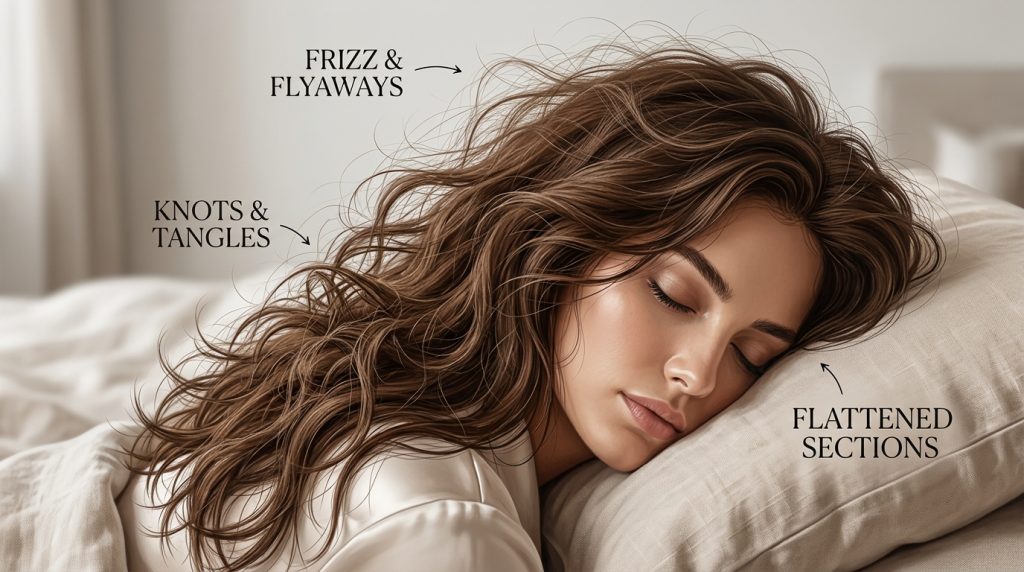
As a matter of fact, many people wake up with:
- Tangles
- Flyaways
- Flattened sections
- Knots
- Frizz
- Hair that simply feels harder to manage
Of course, your pillowcase isn’t solely responsible for these issues. Hair health is influenced by many factors.
However, if your hair is already prone to dryness, breakage, or frizz, reducing unnecessary friction can make a meaningful difference over time.
Why Cotton Pillowcases May Contribute To Frizz
Now, before cotton lovers start panicking, let’s be clear. Cotton isn’t a bad material. In fact, cotton is practical, breathable, affordable, and easy to care for. Most of us have been sleeping on cotton pillowcases for years without giving it much thought.
The issue isn’t that cotton is harmful. The issue is that it may not be the gentlest surface for hair. Compared with silk, cotton has a rougher texture. As your hair moves across the fabric throughout the night, that texture can create more resistance. Simply put, hair doesn’t glide across cotton as easily as it does across silk.
That additional friction may contribute to:
- Morning tangles
- Increased frizz
- Rough-feeling strands
- More difficult styling
If your hair is naturally strong and resilient, you may not notice much of a difference.
However, if your hair is:
- Curly
- Fine
- Color-treated
- Bleached
- Dry
- Long
you may be more sensitive to the effects of overnight friction. That is one reason why so many people begin looking for alternatives once they start paying closer attention to their hair health.
Why Silk Pillowcases Have Become So Popular
Over the past few years, silk pillowcases have gone from being a luxury bedding item to becoming a staple in many beauty routines. At first glance, it might seem like another social media trend. But there is actually a practical reason behind the growing popularity.
The biggest advantage of silk is its smooth surface. Because silk creates less resistance than many traditional fabrics, hair can glide more easily across it while you sleep. The goal isn’t to create perfect hair overnight. The goal is to reduce unnecessary friction. And for many people, that’s exactly what makes the difference.
Some users report waking up with:
- Fewer tangles
- Less morning frizz
- Smoother-looking hair
- Easier styling
- Hair that feels more manageable
Now, it is important to keep expectations realistic. A silk pillowcase won’t repair damaged hair. It won’t eliminate split ends. And it certainly won’t replace a good hair care routine.
However, if you are already investing time and money into maintaining healthy hair, reducing friction while you sleep may be a worthwhile addition to your overall routine. After all, your hair spends roughly one-third of its life against a pillow. Why not make that surface as gentle as possible?
Does Science Support The Idea?
This is probably where many readers become skeptical. And that is perfectly reasonable. After all, beauty products are constantly making bold promises. The good news is that the argument for silk isn’t based on some magical overnight transformation.
It is actually based on a fairly simple concept. Smoother surfaces generally create less friction than rougher surfaces. Less friction means fewer opportunities for tangling, snagging, and mechanical stress.
That’s why silk pillowcases, satin bonnets, and other protective sleep accessories have become so popular among people with:
- Curly hair
- Long hair
- Fine hair
- Color-treated hair
- Fragile hair
The science isn’t really about silk being a miracle material. It is about reducing one source of everyday wear and tear. And when it comes to hair care, small improvements repeated consistently over time often produce the most noticeable results.
Which Hair Types May Benefit Most?
Not everyone will experience the same results from a silk pillowcase. Some hair types simply have more to gain from reducing overnight friction.
1) Curly Hair
Curly hair naturally tends to be drier and more prone to frizz than straight hair. Many people with curls find that smoother sleep surfaces help preserve their hairstyle and reduce morning tangles.
2) Color-Treated Hair
If you have invested in coloring or bleaching your hair, you already know how easily chemically treated strands can become dry and fragile. Reducing friction may help create a gentler sleep environment for damaged hair.
3) Fine Hair
Fine hair often has less structural strength than thicker hair types. That means even small sources of repeated stress can become more noticeable over time.
4) Long Hair
The longer your hair, the greater the chance of tangles, knots, and friction while sleeping. A smoother pillowcase may help reduce some of that overnight stress.
The question now becomes: If silk can help reduce friction, is it actually better than satin? And more importantly, is it worth paying extra for genuine silk? Let’s take a closer look.
Silk vs Satin For Frizzy Hair: Is There Really A Difference?
At this point, you might be wondering: If the goal is simply to reduce friction, does it really matter whether you choose silk or satin? The answer is yes, but perhaps not in the way most marketing advertisements would have you believe.
One of the biggest misconceptions in the beauty world is that silk and satin are the same thing. They are not. As a matter of fact, silk is a material, while satin refers to a type of weave. This means satin pillowcases can be made from several different materials, including polyester, nylon, rayon, or even silk itself. That’s why satin pillowcases are often significantly more affordable than genuine silk options.
When it comes to reducing friction, both silk and satin can be gentler on hair than traditional cotton pillowcases. However, genuine silk generally provides a more premium feel and is often preferred by people looking for a luxury sleep experience.
For someone dealing with frizz, both options can be an upgrade from cotton. The real question becomes whether the additional cost of silk is worth it for your personal situation.
Common Myths About Silk Pillowcases
Over the years, silk pillowcases have developed an almost magical reputation online. Let’s separate fact from fiction.
Myth #1: Silk Pillowcases Eliminate Frizz Completely
Unfortunately, no pillowcase can completely eliminate frizz.
Frizz is influenced by many factors, including:
- Humidity
- Hair type
- Damage levels
- Styling habits
- Product choices
- Genetics
A silk pillowcase may help reduce one source of friction, but it won’t solve every cause of frizz.
Myth #2: Silk Repairs Damaged Hair
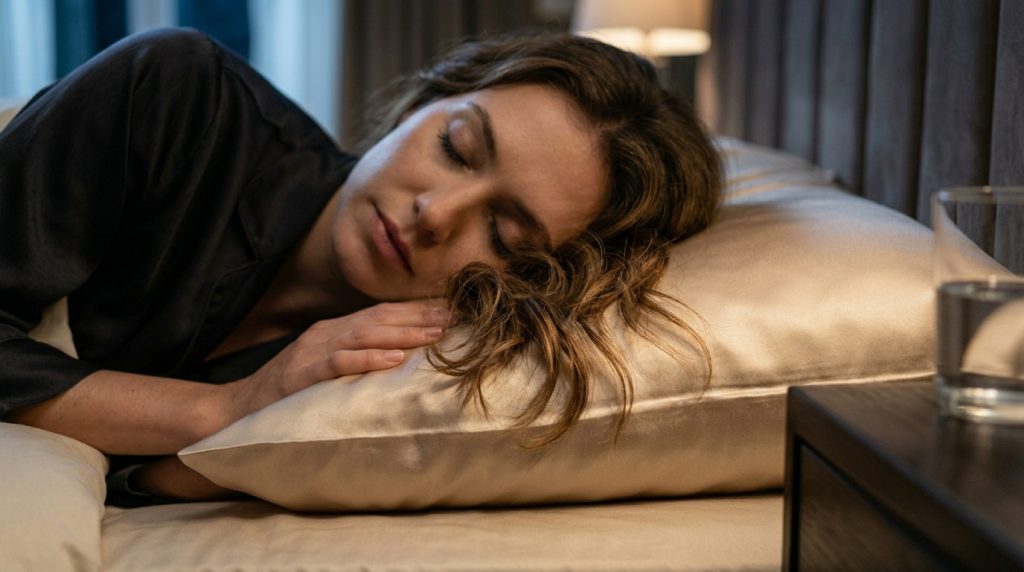
This is another common misunderstanding. Silk does not repair damaged hair. If your hair is already damaged from bleaching, excessive heat styling, or chemical treatments, a pillowcase alone won’t reverse that damage. What silk may do is help prevent additional stress while you sleep. Think of it as protecting your hair rather than repairing it.
Myth #3: Expensive Silk Always Means Better Results
Not necessarily. Many shoppers assume that the most expensive silk pillowcase automatically delivers the best experience. The reality is more nuanced.
Factors such as:
- Silk quality
- Momme weight
- Construction
- Stitching
- Durability
The above factors often matter more than branding alone. That is why researching before buying is important.
If you’re considering investing in genuine silk, you may find our guide to the best silk pillowcases for hair breakage helpful, as it compares several popular options and explains what features actually matter.
5 Best Ways To Reduce Overnight Frizz
A silk pillowcase can be helpful, but it works best as part of a broader hair care routine. Let’s be realistic. If you’re regularly exposing your hair to excessive heat, skipping conditioning treatments, or brushing aggressively, a pillowcase alone will not fix those habits. Fortunately, there are several simple things you can do to help reduce overnight frizz.
1) Use A Loose Protective Hairstyle
Many people with longer hair find that loosely braiding their hair before bed helps reduce tangling. The key word here is loose. Tight hairstyles can create tension and potentially contribute to breakage.
2) Avoid Going To Bed With Wet Hair
Wet hair is often more fragile than dry hair. Going to sleep with soaking wet hair can increase tangling and make hair more vulnerable to mechanical stress during the night. If possible, allow your hair to dry partially before bed.
3) Use A Leave-In Conditioner
If dryness is contributing to your frizz, a lightweight leave-in conditioner may help improve manageability. Many people find that adding moisture before bed leads to smoother-looking hair the following morning.
4) Be Gentle During Detangling
One of the most common mistakes people make is aggressively brushing through knots. Patience often produces better results than force. Using a wide-tooth comb or a suitable detangling brush can help minimize unnecessary breakage.
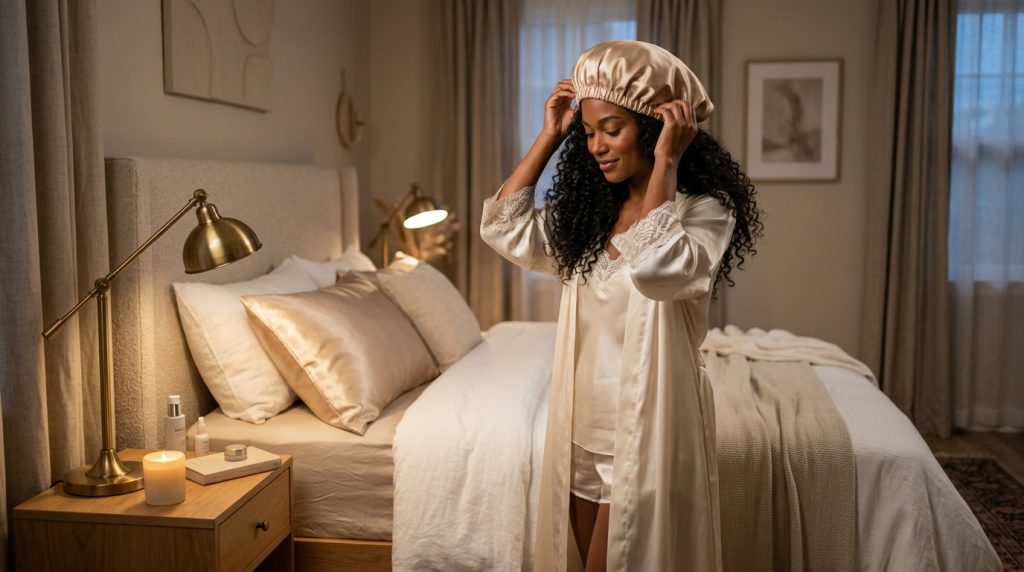
5) Consider A Silk Or Satin Bonnet
For people with very curly, coily, or textured hair, a bonnet can provide an additional layer of protection. Some individuals use both a silk pillowcase and a bonnet as part of their night-time routine.
Is A Silk Pillowcase Worth The Cost?
This is ultimately the question many readers want answered. And honestly? The answer depends on your expectations. If you’re hoping for a dramatic overnight transformation, you may be disappointed.
However, if you understand that healthy hair often results from a collection of small habits rather than a single miracle product, a silk pillowcase begins to make more sense.
Think of it this way. Most people spend thousands of hours each year with their head resting on a pillow. If a smoother sleep surface can help reduce friction during that time, it becomes easier to see why many people consider silk a worthwhile investment.
Especially if your hair is:
- Curly
- Fine
- Color-treated
- Bleached
- Long
- Prone to tangling
For these hair types, even small reductions in friction may add up over time.
Does A Silk Pillowcase Really Help Frizzy Hair?
In many cases, yes. But perhaps not in the way social media sometimes suggests.
- A silk pillowcase isn’t magic.
- It won’t eliminate frizz overnight.
- It won’t repair years of damage.
- And it won’t replace a solid hair care routine.
However, it may help reduce one of the most overlooked contributors to frizz: overnight friction. For many people, that alone makes it worth considering. After all, healthier-looking hair is often the result of many small improvements working together. And creating a gentler sleep environment may be one of those improvements.
If you’re ready to explore your options, you may also want to read our comparison of silk vs satin pillowcases for hair, or check out our guide to the best silk pillowcases for hair breakage to see which products stand out in 2026.
Frequently Asked Questions
Can a silk pillowcase completely stop frizz?
No. Frizz has many causes, including humidity, hair type and damage. A silk pillowcase may help reduce friction-related frizz, but it isn’t a complete solution.
Is silk better than satin for frizzy hair?
Both can help reduce friction compared with cotton. Silk generally offers a more premium experience, while satin is often more affordable.
How long does it take to notice a difference?
Results vary. Some people notice fewer tangles and easier styling within days, while others experience more subtle improvements over time.
Is silk worth it for curly hair?
Many people with curly hair appreciate silk because it may help reduce friction and preserve hairstyles overnight.
Can I use a satin pillowcase instead?
Absolutely. Satin pillowcases can still provide a smoother surface than cotton and may be a practical option for budget-conscious shoppers.
Recommended Silk Pillowcases:
23mm 6A+ 100% Mulberry Silk Pillowcase With Zipper With Laundry Bag
Key features: 23mm thickness for durability and luxury feel, 6A+ grade 100% mulberry silk, Hidden zipper closure for secure fit, Includes matching silk laundry bag, Available in 10+ colors and 5 sizes, Hypoallergen.
23mm 6A+ Zipper Mulberry Silk Pillowcases 2 Pack Mixed Colors
Key features: 23mm thickness, 6A+ grade mulberry silk, Zipper closure for secure fit, Naturally hypoallergenic and anti-bacterial, Reduces sleep creases and wrinkles, Minimizes hair frizz and breakage, Thermoregula.
23mm 6A+ 100% Mulberry Silk Fitted Sheet Set 2pcs Crib | Toddler With Laundry Bag
Key features: 23mm momme weight – premium thickness for durability, 100% Mulberry silk – Grade 6A highest quality, Fitted sheet set – 2 pieces: 1 fitted sheet + 1 flat sheet, Includes matching silk laundry bag for baby’s sensitive skin.