Best Silk Pillowcases For Hair Breakage (2026 Honest Buyer’s Guide)

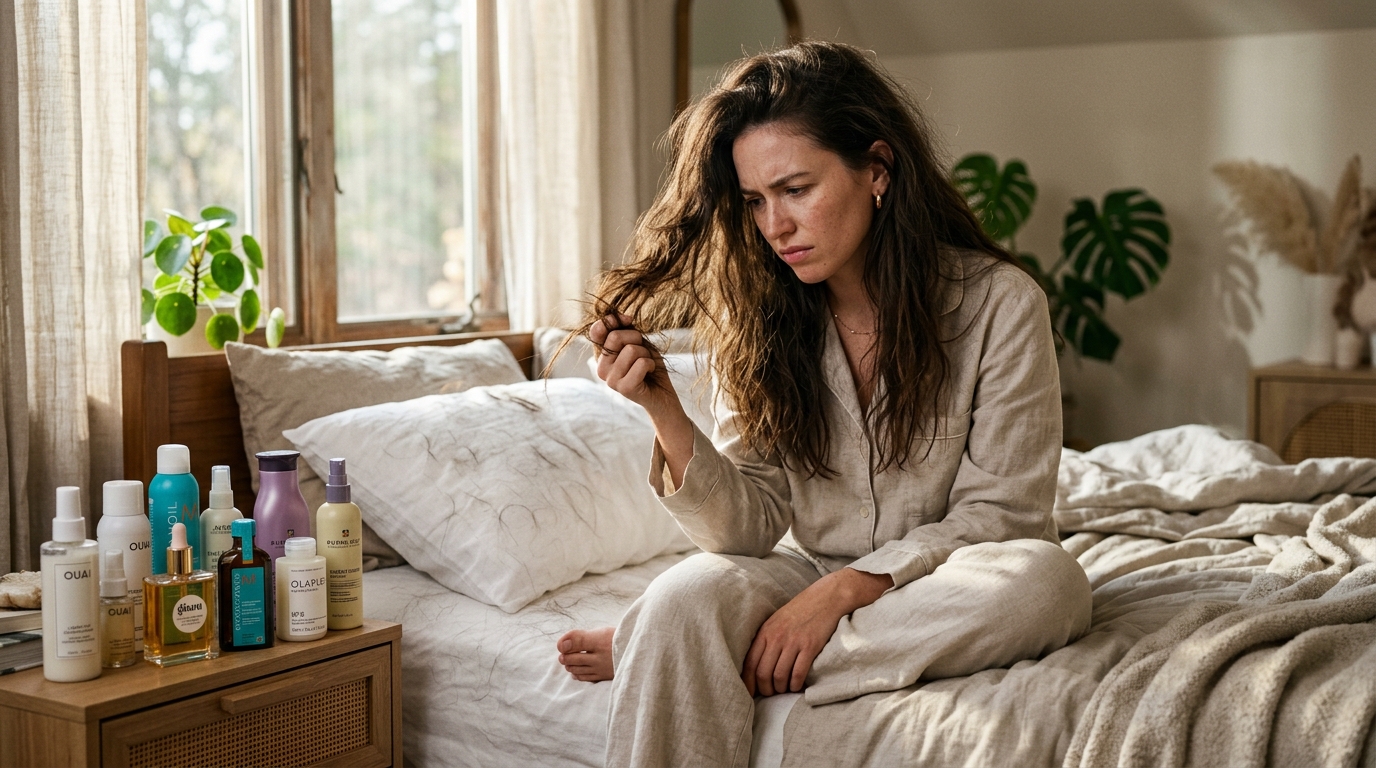
You spend money on shampoos, hair masks, leave-in conditioners, oils, heat protectants, and salon treatments. Yet somehow you still wake up with tangled ends, frizz that seems to multiply overnight, or strands collecting on your pillow in the morning.
It’s frustrating, especially when you’re doing so many things “right.” But here’s something many people don’t think about until much later: your pillowcase. It sounds almost too simple. A pillowcase? Really?
Yet when you think about it, your hair spends six to eight hours pressed against that fabric every single night. That’s thousands of hours every year of rubbing, shifting, pulling, and friction while you sleep.
If your hair is already fragile from coloring, bleaching, heat styling, chemical treatments, tight hairstyles, or simply natural dryness, that repeated friction can become one more source of stress. That’s where silk pillowcases enter the conversation. Over the past few years, silk pillowcases have become one of the most talked-about beauty sleep upgrades, often praised for helping hair feel smoother, less tangled, and easier to manage in the morning.
But are they genuinely worth it? And more importantly—which silk pillowcases are actually worth buying if your goal is reducing hair breakage? Because not all “silk” pillowcases are created equal.
Some are genuine mulberry silk. Others are satin made from synthetic polyester marketed in ways that confuse shoppers. Some feel luxurious at first but wear poorly after washing. Others cost premium prices simply because of branding.
This guide cuts through the noise. We’ll look at what may actually contribute to overnight hair breakage, how silk compares with cotton and satin, what buying factors truly matter, and the best silk pillowcases worth considering in 2026, including affordable and premium options. If you’re trying to protect fragile hair while making a genuinely smart purchase, this guide is for you.
Can Your Pillowcase Really Cause Hair Breakage?
Let’s start with the obvious question. Can a pillowcase alone “cause” hair breakage? Not in isolation.
Hair breakage usually happens because of multiple stressors building over time:
- Frequent heat styling
- Bleaching or coloring
- Over-brushing
- Tight ponytails
- Chemical processing
- Dryness
- Rough towel drying
- Friction during sleep
The pillowcase is one piece of that puzzle, and yet not the entire story. But it’s a piece that many people overlook. Think about how hair behaves overnight. Even if you fall asleep perfectly still, you’re likely moving more than you realize. Side sleepers and restless sleepers create repeated contact between hair and bedding for hours.
Each movement creates friction. Cotton, while breathable and familiar, has a more textured surface compared with silk. That texture can create drag as hair shifts against the fabric. For stronger hair, that may not feel like a big issue. For fragile hair? It can become noticeable.
Fine Hair
Fine strands generally have less structural resilience than thicker hair. That means less tolerance for repeated mechanical stress. Even gentle friction repeated night after night can leave fine hair more prone to snapping, tangling, or rough-feeling ends.
Color-Treated or Bleached Hair
Bleaching can significantly alter hair structure. Hair often becomes more porous, drier, and weaker after chemical processing. If you’ve ever noticed that bleached hair seems to “catch” on fabrics more easily, you’re not imagining it. That rougher texture makes friction more problematic.
Curly or Textured Hair
Curly hair often naturally struggles more with moisture retention. Because curls bend and coil, the hair cuticle can be more vulnerable to dryness and friction. That’s one reason silk and satin accessories have become popular in curly hair routines.
Long Hair
The longer your hair, the more opportunities for tangling, twisting, and pulling while sleeping. If you wake up with knots near the nape or dry, rough ends, your sleep surface may be contributing.
Hair Already Recovering From Damage
If your hair is already weakened, even minor stress matters more. In that context, switching to a smoother pillow surface may help reduce one ongoing source of friction. The key word here is may.
A silk pillowcase is not a miracle fix. It won’t reverse severe damage. It won’t magically repair split ends. But it may help create a gentler sleep environment for vulnerable hair. And sometimes reducing avoidable damage is exactly what makes a difference over time.
Why Cotton Pillowcases Can Be Rough On Hair?
Cotton isn’t “bad.” Let’s be fair about that. Cotton is practical. It’s affordable, easy to wash, breathable, widely available, and familiar. Most of us have slept on cotton for most of our lives.
But convenience doesn’t automatically mean it’s ideal for fragile hair. The biggest issue is friction. Cotton fibers create a relatively textured surface compared with silk. That texture can increase resistance when hair moves across the fabric.
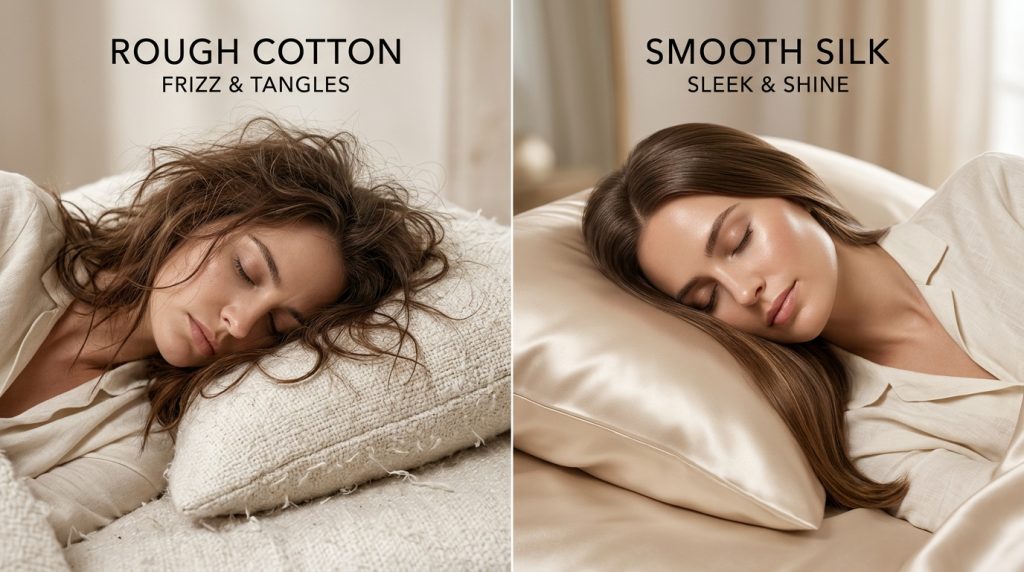
Imagine rubbing delicate fabric against sandpaper versus glass. That’s an exaggerated comparison but it helps explain the principle. Hair glides more easily over smoother materials. Hair catches more easily on rougher ones.
This repeated contact can contribute to:
- Morning tangles
- Frizz
- Rough-feeling hair
- Snapped strands
- Stressed ends
Another issue often mentioned is moisture interaction. Cotton is absorbent. That’s one reason cotton towels work well. But some people dislike that same characteristic in pillowcases, especially if they use overnight hair serums, leave-in conditioners, or moisturizing treatments.
The concern is that a more absorbent surface may interact differently with product residue compared with smoother fabrics. Again, context matters. This doesn’t mean cotton is destroying your hair. But if your hair is already fragile, reducing friction can be a reasonable step.
Silk vs Satin vs Cotton: Which Is Better For Hair Breakage?
This is where many shoppers get confused. Because “silk” and “satin” are not interchangeable. That distinction matters.
- Cotton
Pros for hair:
– Affordable
– Breathable
– Easy care
– Widely available
Cons for hair:
– More friction
– Greater tangling potential
– Rougher feel against fragile strands
Best for:
People prioritizing budget and simplicity over beauty-focused hair benefits.
- Satin
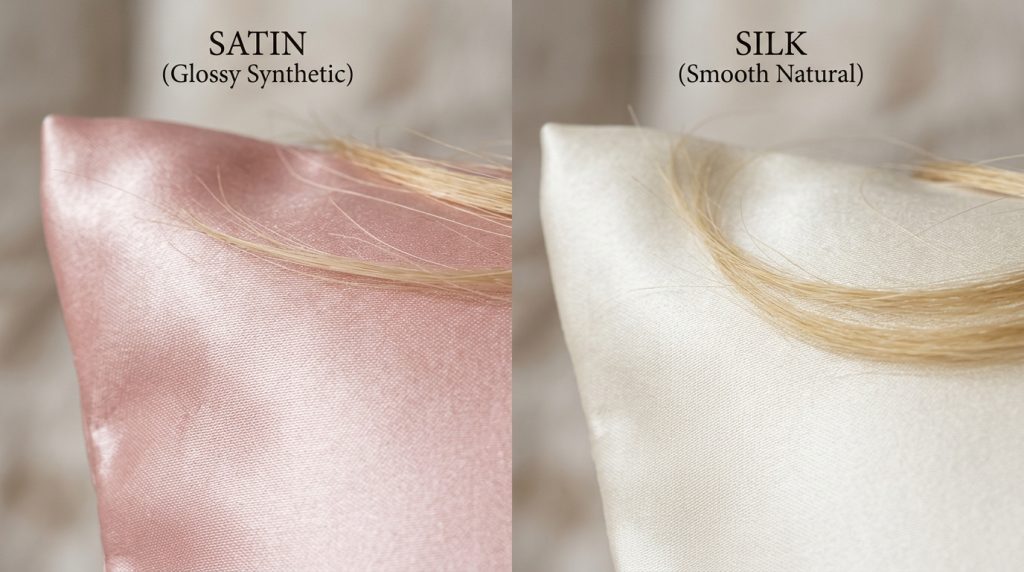
Here’s where marketing gets tricky. Satin is not a material. It’s a weave.
That means satin pillowcases may be made from:
- Polyester
- Nylon
- Rayon
- Silk
Most budget satin pillowcases are polyester-based. The upside? They’re usually smoother than cotton. That can help reduce friction compared with traditional cotton pillowcases. They’re also far cheaper than real silk.
The downside? Synthetic satin can trap heat for some sleepers. Some people also dislike the feel compared with genuine silk. And quality varies wildly. A cheap satin pillowcase may look glossy online but feel disappointing in reality.
Best for:
Budget-conscious shoppers who want a smoother surface without paying silk prices.
- Silk
Silk is a natural protein fiber. Good silk pillowcases typically feel smoother, softer, and more luxurious than cotton. This smoother surface is why many people choose silk for hair care routines.
Potential advantages:
- Reduced friction
- Smoother glide
- Less overnight tangling
- Gentler feel for fragile strands
- Premium comfort
Possible downsides:
- Expensive
- Requires gentler care
- Counterfeit/misleading listings exist
Best for:
People prioritizing hair protection, comfort, and premium sleep experience.
Quick Verdict
- If pure budget matters most: Satin beats cotton for smoother sleep surfaces.
- If hair protection and comfort are the main priorities: Quality silk is usually the stronger choice.
But, and this is important, bad silk exists too.
Which brings us to the next question: What actually makes a silk pillowcase worth buying?
What To Look For When Buying A Silk Pillowcase For Hair Breakage?
This is where many shoppers make expensive mistakes. At first glance, silk pillowcases can seem deceptively simple. A pillowcase is a pillowcase… right? Not quite. Two products may both be marketed as “silk pillowcases,” yet differ dramatically in quality, feel, durability, and overall value. If your goal is reducing overnight friction for fragile hair, the details matter.
- Mulberry Silk vs Generic Silk
If you’ve spent any time shopping for silk bedding, you’ve probably seen the term mulberry silk everywhere. It’s not just marketing fluff—though some brands certainly overuse it. Mulberry silk generally refers to silk produced by silkworms fed a controlled mulberry leaf diet, which tends to create finer, more uniform fibers.
That consistency matters because it usually contributes to:
- Smoother texture
- Better durability
- More refined feel
- More consistent quality
This is why many reputable silk bedding brands emphasize mulberry silk in their product descriptions. That said, “mulberry silk” alone doesn’t automatically guarantee excellence. A poorly made product can still use decent raw material. Think of it like cooking. High-quality ingredients help, but execution still matters. For shoppers focused on hair care benefits, mulberry silk is generally a sensible benchmark.
- Momme Weight (One of the Most Overlooked Factors)
This is one of the most confusing terms for first-time buyers. Momme (pronounced moe-mee) is a measurement used to indicate silk fabric density and weight. In simpler terms, it helps tell you how substantial the silk fabric is. Lower numbers typically mean lighter, thinner silk. Higher numbers generally mean denser, heavier silk.
For pillowcases, you’ll commonly see:
- 19 momme
- 22 momme
- 23 momme
- 25 momme
So what’s better? That depends.
19 Momme
Often considered an entry point for genuine silk pillowcases.
Pros:
- Lower cost
- Still smoother than cotton
- Lighter feel
Cons:
- Less substantial
- May wear faster over time
Suitable for: Budget-conscious first-time buyers.
22–23 Momme
This is often considered a strong sweet spot.
Why? Because it balances:
- Softness
- Durability
- Premium feel
- Practicality
Many shoppers find this range ideal because it feels luxurious without becoming overly heavy. If hair protection is your priority, this range often makes practical sense.
25 Momme & Above
Higher density silk can feel especially substantial.
Potential advantages:
- Greater durability
- Premium hand feel
- Richer drape
Potential trade-offs:
- Higher cost
- Diminishing returns depending on brand
For many people, 22–23 momme is already excellent. Paying significantly more only makes sense if the rest of the product quality supports it. If you’re comparing genuine silk options, Promeed is one of the more affordable real silk picks worth checking.
Common Buyer Mistake: Assuming Higher Momme Always Means Better
This isn’t always true. A brand can advertise impressive momme weight while cutting corners elsewhere.
Factors like:
- Stitching quality
- Finishing
- Zipper construction
- Authenticity
- Weave consistency
still matter. As such, we advised to use momme as one signal, but not the only deciding signal or factor.
- Charmeuse Weave (The Smoothness Factor)
If your main concern is hair breakage, smoothness matters. That’s where charmeuse weave often comes into the conversation. Charmeuse is a satin-style weave commonly used in silk bedding.
Its defining characteristic? A glossy, smooth face with a softer matte underside. This smoother surface is one reason silk pillowcases are associated with reduced friction. For hair, that smoother glide can feel noticeably gentler compared with textured cotton. Many quality silk pillowcases use charmeuse weave because it aligns with what shoppers expect: that slippery, smooth, luxurious sensation.
- Closure Type: Zipper vs Envelope
This seems minor until you live with the product. Then it suddenly matters.
A) Zipper Closure
Pros:
- Pillow stays securely in place
- Cleaner finished appearance
- Less bunching
Cons:
- Poorly made zippers can fail
- Cheap zippers may snag delicate fabric
Best for: People who dislike pillows shifting inside the case.
B) Envelope Closure
Pros:
- No hardware
- Simpler design
- Fewer mechanical failure points
Cons:
- Pillow may shift
- Less structured appearance
Best for: People prioritizing simplicity.
Does Closure Affect Hair Protection?
Not significantly. This is more about convenience and preference. But practical usability matters. If a pillow constantly shifts or bunches, the sleep experience suffers.
- Genuine Silk vs Misleading Listings
This is where online shopping gets messy. Many shoppers think they’re buying silk when they’re actually buying polyester satin. Sometimes the wording is intentionally confusing.
Examples:
- “silky pillowcase”
- “silk feel”
- “satin silk”
- “silk-like fabric”
That’s not the same as genuine silk. If you specifically want real silk, look carefully for clear material disclosure.
Look for terms like:
- 100% mulberry silk
- Genuine silk
- Natural silk fiber
Be cautious if product descriptions feel vague.
Red Flags
Warning signs include:
- Suspiciously low pricing
- Unclear fiber composition
- Vague material descriptions
- Overly aggressive marketing claims
- Poor review consistency
Real silk costs more than synthetic alternatives. That’s simply the nature of the material. If a listing seems unbelievably cheap, skepticism is healthy.
- Maintenance Reality (The Part Many People Ignore)
Silk sounds glamorous. And it can absolutely feel luxurious. But it’s not always the most low-maintenance choice. This matters because expectations affect satisfaction. Before buying, ask yourself honestly: Will I realistically care for this properly? Because silk often requires more thoughtful handling than cotton.
That may include:
- Gentle washing
- Mild detergent
- Air drying or delicate settings
- Avoiding harsh treatment
Some silk pillowcases are marketed as machine washable, which helps. But even then, silk usually appreciates gentler care. If you’re someone who throws everything into hot wash cycles without thinking, silk may feel inconvenient. That doesn’t make it a bad purchase. It just means lifestyle fit matters.
- Brand Reputation & Real-World Experience
Specs alone don’t tell the full story. A product can sound perfect on paper yet disappoint in daily use. That’s why reputation matters.
Things buyers often discover only after purchase:
- Zipper failures
- Poor stitching
- Rough finishing
- Misleading softness expectations
- Disappointing durability
This is why comparison shopping matters. Not just “what sounds luxurious,” but: what consistently performs well for real buyers?
Common Mistakes Buyers Make When Choosing A Silk Pillowcase
Buying Based Only on Price
Cheapest rarely means best. But “most expensive” doesn’t automatically mean best either. Smart buying means balancing specs, reputation, and realistic value.
Confusing Satin With Silk
This happens constantly. Some shoppers expect luxury silk and receive polyester satin instead. Always verify material details.
Ignoring Care Requirements
A high-end silk pillowcase becomes annoying fast if the maintenance doesn’t suit your habits.
Falling for Marketing Buzzwords
“Luxury.”, “Premium.”, “Celebrity favorite.” etc. These terms sound impressive but don’t replace actual specifications.
Buying Without Matching Your Actual Goal
What am I trying to solve?
- Tangles?
- Frizz?
- Breakage?
- Comfort?
- Hot sleeping?
The “BEST” pillowcase depends partly on your priority. At this point, you have learn know how to evaluate the category intelligently. Now comes the question most buyers actually care about: Which silk pillowcases are genuinely worth considering? That’s where we’ll compare the top options including premium, luxury, and value-focused picks.
Best Silk Pillowcases For Hair Breakage: Top Picks For 2026
Now that we’ve covered what actually matters when shopping for a silk pillowcase, let’s get to the shortlist. A quick note before we begin: There is no single “perfect” pillowcase for everyone.
The best choice depends on:
- Your budget
- Your hair type
- How much you value luxury feel
- How much maintenance you’re willing to tolerate
- Whether you specifically want genuine silk or are open to satin alternatives
With that in mind, here are the strongest options worth considering.
- LilySilk Silk Pillowcase — Best Overall Premium Pick
Best for: Shoppers who want a strong balance of quality, reputation, and genuine silk performance.
LilySilk has built a reputation as one of the more recognized silk bedding brands, and for good reason. If your goal is protecting fragile hair while still buying something that feels legitimately premium, this is one of the safer choices.
Why it stands out:
- Genuine mulberry silk
- Smooth luxurious feel
- Strong brand recognition
- Premium finishing
- Widely recommended in beauty circles
For hair breakage concerns, LilySilk checks many boxes because it focuses on what actually matters: a smooth genuine silk sleep surface that reduces friction compared with traditional cotton. It tends to appeal especially to buyers who want premium quality without entering ultra-luxury pricing territory.
Pros
– Trusted silk-focused brand
– High-quality finish
– Comfortable premium feel
– Strong gifting appeal
Cons
– More expensive than budget options
– Maintenance is required
Bottom line:
If you want a premium silk pillowcase without going all the way into prestige luxury pricing, LilySilk is one of the strongest choices.
- Slip Silk Pillowcase — Best Luxury Beauty Pick
Best for: Beauty-conscious shoppers who prioritize luxury branding and prestige.
Slip is arguably the most recognizable luxury silk pillowcase brand in beauty marketing. If you’ve seen celebrity beauty routines, editorial mentions, or influencer recommendations, chances are Slip has appeared. The brand’s biggest strength? Positioning.
Slip has successfully turned silk pillowcases into a recognizable beauty lifestyle product. For hair, the same core logic applies: a smoother surface may help reduce friction, tangling, and overnight stress compared with cotton. That said, part of what you’re paying for is branding. Well, that’s not inherently bad. Brand trust has value. But practical shoppers should understand that.
Pros
– Strong beauty brand credibility
– Luxury presentation
– Premium feel
– Aspirational gifting appeal
Cons
– Expensive
– Some buyers may find branding premium inflated
Bottom line:
If you want luxury recognition and beauty-brand cachet, Slip makes sense. However, if you’re value-driven, other options may make more financial sense.
Best for: Shoppers who want real silk benefits without luxury-brand pricing.
This is where Promeed becomes genuinely interesting. Not because it dominates prestige beauty branding. But because it occupies a practical middle ground. For buyers who care about the actual functional benefits of silk rather than logo prestige, Promeed offers a more accessible entry point.
Depending on the exact model, Promeed often highlights features like:
- 100% mulberry silk
- Higher momme options
- Smoother sleep surface
- More attainable pricing compared with luxury competitors
For hair breakage concerns, this makes practical sense. Because if your main goal is reducing overnight friction, not buying a status symbol, then paying purely for branding may not be necessary. That said, value brands always require a little more due diligence.
Check for these:
- Exact material specs
- Recent buyer reviews
- Care instructions
- Closure details
- Return policy
But on paper, Promeed sits in a compelling spot.
Pros
– More affordable than premium luxury competitors
– Genuine silk positioning
– Practical value proposition
– Accessible entry into real silk bedding
Cons
– Lower prestige recognition
– Some shoppers may prefer legacy luxury brands
Bottom line:
If you want a practical “real silk without the luxury markup” option, Promeed deserves serious consideration.
- Bedsure Satin Pillowcase — Best Budget Alternative
Best for: Budget-conscious shoppers testing the concept before investing in real silk.
Let’s be honest. Not everyone wants to spend premium money on a pillowcase. And that’s perfectly reasonable. If your primary goal is simply reducing friction compared with cotton, a quality satin pillowcase may be enough.
Bedsure-style satin options are popular because they’re:
- Inexpensive
- smoother than cotton
- Easy to test
- Low commitment
But remember: Satin is not silk. Synthetic satin may feel smoother than cotton while lacking the natural material appeal of silk. Some hot sleepers may also prefer genuine silk over polyester satin. Still, for entry-level experimentation, satin can be a perfectly sensible step.
Pros
– Affordable
– Widely available
– Lower risk purchase
– Smoother than cotton
Cons
– Synthetic feel
– Less premium experience
– Quality varies
Bottom line:
If you’re unsure whether smoother pillow fabrics even matter to your routine, satin can be a reasonable first experiment.
| Product | Best For | Material Type | Price Tier |
|---|---|---|---|
| LilySilk | Best premium overall | Genuine mulberry silk | $$$ |
| Slip | Best luxury beauty pick | Genuine silk | $$$$ |
| Promeed | Best value silk option | Genuine silk (verify listing) | $$ |
| Bedsure Satin | Budget-friendly alternative | Synthetic satin | $ |
Which One Should You Choose?
Here’s the practical breakdown.
- Choose LilySilk if: You want premium silk quality with strong reputation and fewer compromises.
- Choose Slip if: You care about luxury beauty branding and don’t mind paying for prestige.
- Choose Promeed if: You want genuine silk benefits without paying top-tier luxury pricing. This is likely the smartest option for practical value shoppers.
- Choose Satin if: You want a lower-cost smoother surface and aren’t ready to invest in real silk yet.
Is A Silk Pillowcase Actually Worth It For Hair Breakage?
Short answer? For the right person, YES. But with realistic expectations.
A silk pillowcase will not:
- Reverse severe damage
- Repair split ends
- Replace proper hair care
- Stop all hair breakage overnight
That’s unrealistic. What it may do is reduce one consistent source of friction while you sleep. And if your hair is already vulnerable, reducing avoidable stress can absolutely be worthwhile.
The people most likely to notice a difference after they switched to using silk pillowcase:
- Bleached hair
- Fine hair
- Curly hair
- Dry hair
- Long hair prone to tangling
If your hair is healthy, thick, resilient, and you rarely struggle with breakage? The difference may feel less dramatic.
Frequently Asked Questions
1) Do silk pillowcases stop hair breakage completely?
No. Hair breakage has multiple causes. Silk may help reduce friction-related stress, but it isn’t a complete solution.
2) Is satin as good as silk for hair?
Satin can be smoother than cotton and may reduce friction. But genuine silk generally offers a more premium feel and different material characteristics.
3) What momme silk is best for pillowcases?
For many buyers, 22–23 momme offers a practical balance between softness, durability, and premium feel.
4) Is expensive silk always better?
Not necessarily. Branding can significantly increase price. Specs, reputation, and construction matter more than marketing language.
5) How often should silk pillowcases be washed?
Follow brand care instructions, but generally regular gentle cleaning is recommended.
Final Verdict
If your hair feels fragile, dry, tangled, or prone to overnight frizz, upgrading your pillowcase can be a surprisingly practical change. Not because silk is magic. But because reducing repeated friction makes logical sense.
If budget allows, genuine silk is the stronger long-term investment. And if you want a practical value-focused entry point without paying purely for luxury branding, Promeed sits in an appealing position. The smartest choice is the one that matches both your hair needs and your budget realistically.