
Silk vs Satin Pillowcases For Hair: What’s The Real Difference?

If you’ve spent any time researching ways to reduce frizz, prevent tangles, or protect fragile hair while you sleep, you’ve probably encountered the same recommendation repeatedly: “Switch to a silk pillowcase.” But almost immediately, another option appears. The option of using Satin. And here’s where the confusion begins.
At first glance, silk and satin pillowcases can look remarkably similar. Both tend to have a smooth, glossy appearance. Both are often marketed as being gentler on hair than traditional cotton pillowcases. Both are frequently recommended in beauty routines. Yet despite the similarities, silk and satin are not the same thing.
Understanding the difference can help you make a smarter purchase, especially if you’re trying to reduce overnight hair breakage or wake up with less frizz and fewer tangles. The good news? You don’t necessarily need the most expensive option on the market. But you do need to understand what you’re actually buying.
In this guide, we’ll break down the real differences between silk and satin pillowcases, explain how each may affect your hair, and help you decide which option makes the most sense for your needs and budget.
The Biggest Misunderstanding: Silk And Satin Are Not The Same Thing
Silk Is A Material
Silk is a natural fiber produced by silkworms. When people talk about luxury silk pillowcases, they’re usually referring to mulberry silk, which is known for its smooth texture and premium feel. Silk is the actual material. Think of it like cotton, wool, or linen.
Satin Is A Weave
On the other hand, satin is different. It refers to a weaving technique rather than a specific material.
This means satin pillowcases can be made from several different fibers, including:
- Polyester
- Nylon
- Rayon
- Silk
Most affordable satin pillowcases sold today in the market are made from polyester. This explain why satin products are often significantly cheaper than genuine silk pillowcases.
Why Hair Gets Frizzy And Tangled Overnight
Before comparing silk and satin directly, it’s worth understanding why pillowcases matter in the first place. Your hair experiences mechanical friction while you are sleeping. As you move or toss around throughout the night, your hair strands rub against your pillow surface repeatedly.
As such, this can contribute to:
- Tangles
- Frizz
- Rough-feeling hair
- Breakage of already weakened strands
The rougher the surface of your pillowcase, the more resistance your hair encounters. This is one reason cotton pillowcases often receive criticism from people with delicate or highly textured hair. A smoother sleep surface may help reduce that friction. Therefore, both silk and satin pillowcases aim to accomplish exactly this purpose.
Silk vs Satin For Hair: Side-by-Side Comparison
| Feature | Silk | Satin |
|---|---|---|
| Material | Natural fiber | Usually synthetic |
| Smoothness | Excellent | Very good |
| Hair Friction | Very low | Low |
| Luxury Feel | Premium | Moderate |
| Breathability | Excellent | Varies |
| Maintenance | More delicate | Easier |
| Cost | Higher | Lower |
| Durability | Good with proper care | Depends on quality |
| Value | Premium investment | Budget-friendly |
Looking at the table alone, you can already see why both options remain so popular. However, which is the better choice will depend largely on your priorities.
How Silk May Benefit Your Hair
One of the reasons silk pillowcases have become so popular is their exceptionally smooth surface.
Because hair glides more easily across silk, some users report:
- Fewer tangles
- Less morning frizz
- Smoother-feeling hair
- Easier styling the next day
This can be especially appealing for:
- Curly hair
- Color-treated hair
- Bleached hair
- Long hair
- Fine hair prone to breakage
However, it is important to maintain realistic expectations. A silk pillowcase isn’t a miracle product. It won’t repair damaged hair overnight. Instead, it may help reduce one source of ongoing friction while you sleep.
How Satin May Benefit Your Hair
This is where satin often surprises people. While satin doesn’t carry the same luxury reputation as genuine silk, it can still offer meaningful benefits compared with cotton.
Because satin is also smooth, many users experience:
- Reduced tangling
- Less friction
- Fewer knots
- Easier morning detangling
The biggest advantage? It will be the price factor. A satin pillowcase often costs a fraction of what a genuine silk pillowcase costs. If you are thinking to test the concept of using better pillowcases for the first time, satin can be an inexpensive entry point.
Silk vs Satin For Frizzy Hair
If frizzy hair is your biggest concern, both silk and satin can be an improvement over traditional cotton pillowcases. Of course, the main reason comes back to friction. When your hair repeatedly rubs against rougher surfaces throughout the night, the hair cuticles can become more disrupted. As such, this often leaves your hair looking puffier, rougher, and more difficult to manage in the morning.
Because both silk and satin provide a smoother surface, they may help reduce some of that overnight friction. However, there are differences between them. Many silk enthusiasts prefer genuine silk because of its exceptionally smooth feel and premium texture. Some users even reported noticing their hair appears slightly smoother and less tangled after switching from cotton to silk.
Satin can offer similar benefits, particularly when compared with cotton, but the experience may vary depending on the quality of the satin fabric. For someone battling chronic morning frizz, either option can be worth considering. The choice often comes down to budget, comfort preferences, and whether you specifically want a natural fiber.
Silk vs Satin For Curly Hair
For those who have curly hair, they are facing unique challenges. Why? Because unlike straight hair, curls naturally struggle more with moisture retention and are often more prone to tangling and frizz.
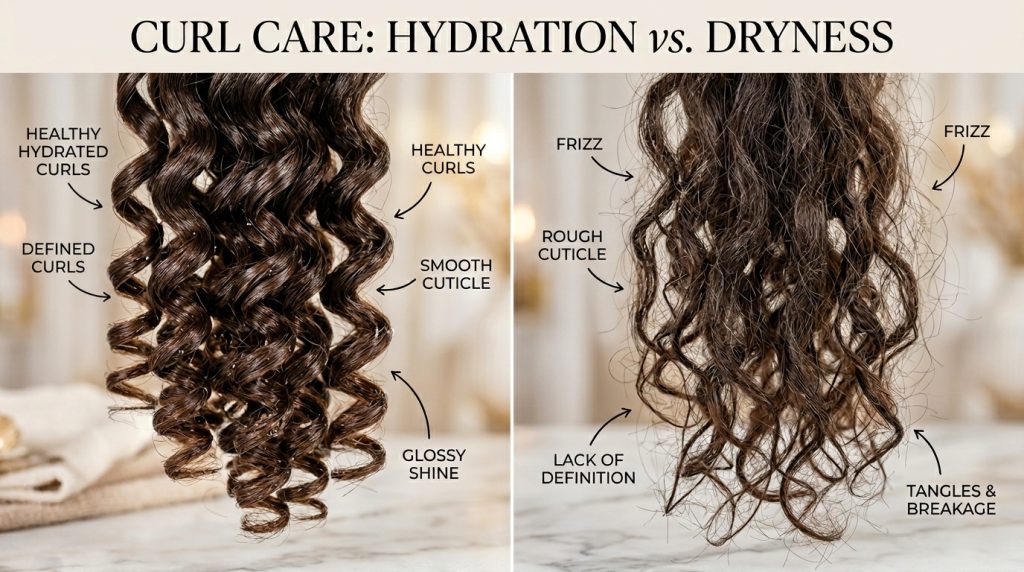
That’s why many curly hair routines typically include:
- Silk pillowcases
- Satin pillowcases
- Silk bonnets
- Satin bonnets
- Protective hairstyles
The goal isn’t necessarily to preserve perfect curls overnight. It’s to reduce unnecessary friction while sleeping. For curly-haired sleepers, both silk and satin can help create a gentler sleep environment compared with cotton. Many curly hair communities recommend either option depending on individual budget.
Choose silk if:
- You want a premium feel
- You prefer natural fibers
- Budget is less of a concern
- You’re investing in long-term comfort
Choose satin if:
- You’re trying the concept for the first time
- Budget plays the major factor in your decision
- You want smoother sleep surfaces without the need for significant investment
The good news? Quite often, curly hair will experience benefits from either upgrade. But again, moving away from cotton is frequently the bigger change for many who are still sitting on the fence.
Which Is Better For Hair Breakage?
This is probably the question most readers came here for the answer.
And the honest answer is: Both silk and satin may help reduce friction compared with cotton.
But if we’re comparing the two directly, genuine silk generally earns the edge. Why?
Because premium silk pillowcases tend to provide:
- Exceptionally smooth surfaces
- Luxurious glide
- Natural fiber construction
- Premium comfort
For those who have fragile hair, every reduction in unnecessary friction can be very helpful. But this doesn’t mean satin is ineffective. Actually, it is far from it. In fact, a quality satin pillowcase may deliver much of the benefit many people are seeking at a fraction of the cost.
Think of it this way:
- If your goal is simply to move away from cotton, satin may be enough.
- If you’re seeking the highest-end experience and are comfortable investing more, silk is often the preferred choice.
- If you’re specifically looking at premium silk options, you may also want to read our guide to the best silk pillowcases for hair breakage, where we compare several popular choices and explain what features actually matter before buying.
Silk vs Satin For Hot Sleepers
Another factor many shoppers overlook is their body’s sleeping temperature. Some people naturally sleep hot while others can wake up feeling warm even in cooler rooms. In those situations, pillowcase material can influence their sleeping comfort. Many genuine silk pillowcases are appreciated for their breathable feel. Since silk is a natural fiber, some sleepers find it feels cooler and more comfortable throughout the night.
However, do take note that satin is far more complicated. Since many satin pillowcases are made from polyester, heat retention can vary. To some users, they may find satin perfectly comfortable. However, there are others who feel that it traps slightly more warmth than genuine silk.
If temperature regulation is one of your priorities, genuine silk often has an advantage. Though, this may not matter for everyone, but for hot sleepers, it can become a deciding factor.
Maintenance & Washing: Which Is Easier?
This is one category where satin usually is the winner. Well, Let’s be realistic, not everyone wants high-maintenance bedding. As a matter of fact, many shoppers want something they can wash easily and use without much thought. Satin pillowcases, particularly synthetic satin, are often more forgiving. They generally tolerate regular washing routines better than delicate silk.
Silk, on the other hand, typically benefits from gentler care.
Depending on the manufacturer, this may involve:
- Delicate wash cycles
- Mild detergents
- Air drying
- Avoiding excessive heat
Some silk pillowcases are marketed as machine washable, but they still require more care than most satin alternatives. Therefore, if convenience matters more than luxury, satin may fit your lifestyle better.
When Satin Is Actually The Better Choice?
You may have search online and see that many comparison articles automatically declare silk the BIG winner. But that’s not always helpful. The better choice will depends on your circumstances.
There are situations where satin may genuinely be the smarter purchase.
Satin may be better if:
- You’re on a tight budget
- You’re testing whether smoother pillowcases help your hair
- You want lower-maintenance bedding
- You prefer replacing pillowcases more frequently
- You’re not ready to invest in premium silk
For many people, satin offers an excellent balance between performance and affordability. In other words, choosing satin doesn’t mean settling. This simply means that you are prioritizing the value.
For many people, satin offers an excellent balance between performance and affordability. In other words, choosing satin doesn’t mean settling. This simply means that you are prioritizing the value.
When Silk Is Worth The Investment
Silk becomes easier to justify when you value the overall experience, not just the hair benefits.
Many silk pillowcase buyers appreciate:
- Premium feel
- Natural fibers
- Luxurious comfort
- Breathability
- Long-term use
If you already invest in hair care, skincare, or quality bedding, a silk pillowcase may feel like a natural extension of that routine. And because you spend roughly one-third of your life sleeping, some people find the upgrade worthwhile.
Final Verdict: Silk Or Satin?
If you’re looking for the simplest answer:
Choose satin if:
- Budget is your biggest concern
- You want a smoother alternative to cotton
- You’re trying the concept for the first time
Choose silk if:
- You want the premium experience
- You prefer natural fibers
- You value luxury comfort
- You’re comfortable paying more for higher-end materials
The truth is that both options can be beneficial compared with traditional cotton pillowcases. For most people, moving from cotton to a smoother sleep surface is the bigger change. Whether that smoother surface happens to be silk or satin depends on your priorities.
If you’re leaning toward genuine silk and want help choosing a quality option, be sure to check out our guide to the best silk pillowcases for hair breakage, where we compare several leading choices and explain what separates good silk pillowcases from disappointing ones.
Frequently Asked Questions
Is satin the same as silk?
No. Silk is a natural fiber. Satin is a weaving technique that can be made from various materials, including polyester and silk.
Is silk better than satin for hair?
Many people prefer silk because of its premium feel and natural fiber construction. However, both silk and satin can provide smoother sleep surfaces than cotton.
Can satin reduce hair breakage?
Satin may help reduce friction compared with cotton, which can contribute to less tangling and stress on hair.
Why do curly-haired people use satin pillowcases?
Curly hair is often more prone to dryness and friction-related frizz. Satin pillowcases may help create a smoother sleep environment.
Is silk worth the extra cost?
That depends on your priorities. If you value luxury, comfort, and natural fibers, silk may be worth the investment. If budget matters more, satin can still provide many practical benefits.
Related Articles: